
From Preclinical Signal to Clinical Confidence: What Pig Models Reveal That Rodents Can’t
The challenge in translational research is not generating data but generating actionable confidence.
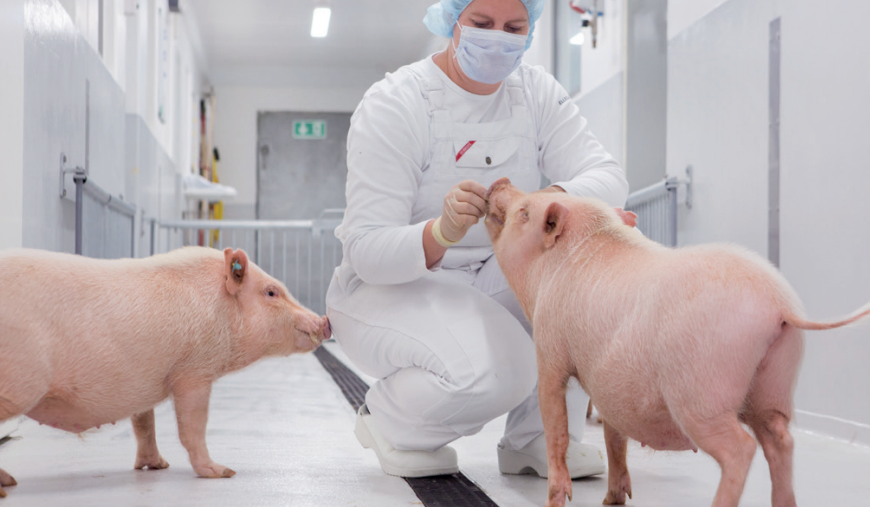
The challenge in translational research is not generating data but generating actionable confidence.
Diabetic neuropathy affects nearly half of individuals living with diabetes, yet its underlying biological drivers remain only partially defined....
Pain and wound healing research demand models that accurately reflect human tissue structure, innervation, and functional recovery. While rodents...
Drug development rarely fails because a compound lacked activity. More often, it fails because preclinical models failed to predict clinical reality.

Toxicology is a defining step between exploratory research and clinical development. As programs move toward IND-enabling requirements, the need for...
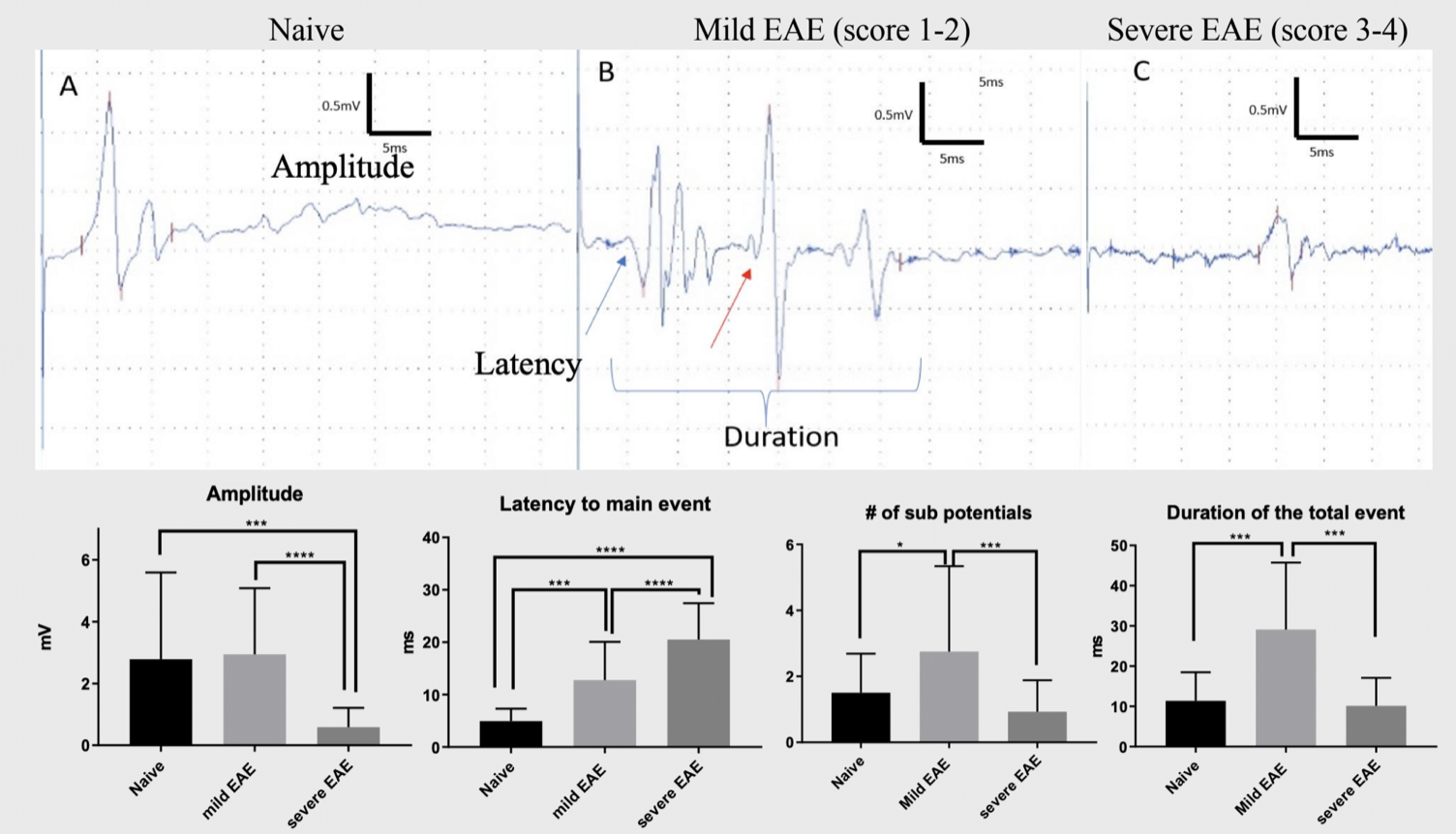
Experimental autoimmune encephalomyelitis (EAE) is one of the most widely used and well-characterized models for studying multiple sclerosis (MS)....
Developing effective therapeutics for pain requires selecting endpoints that accurately reflect the biological, functional, and neurophysiological...
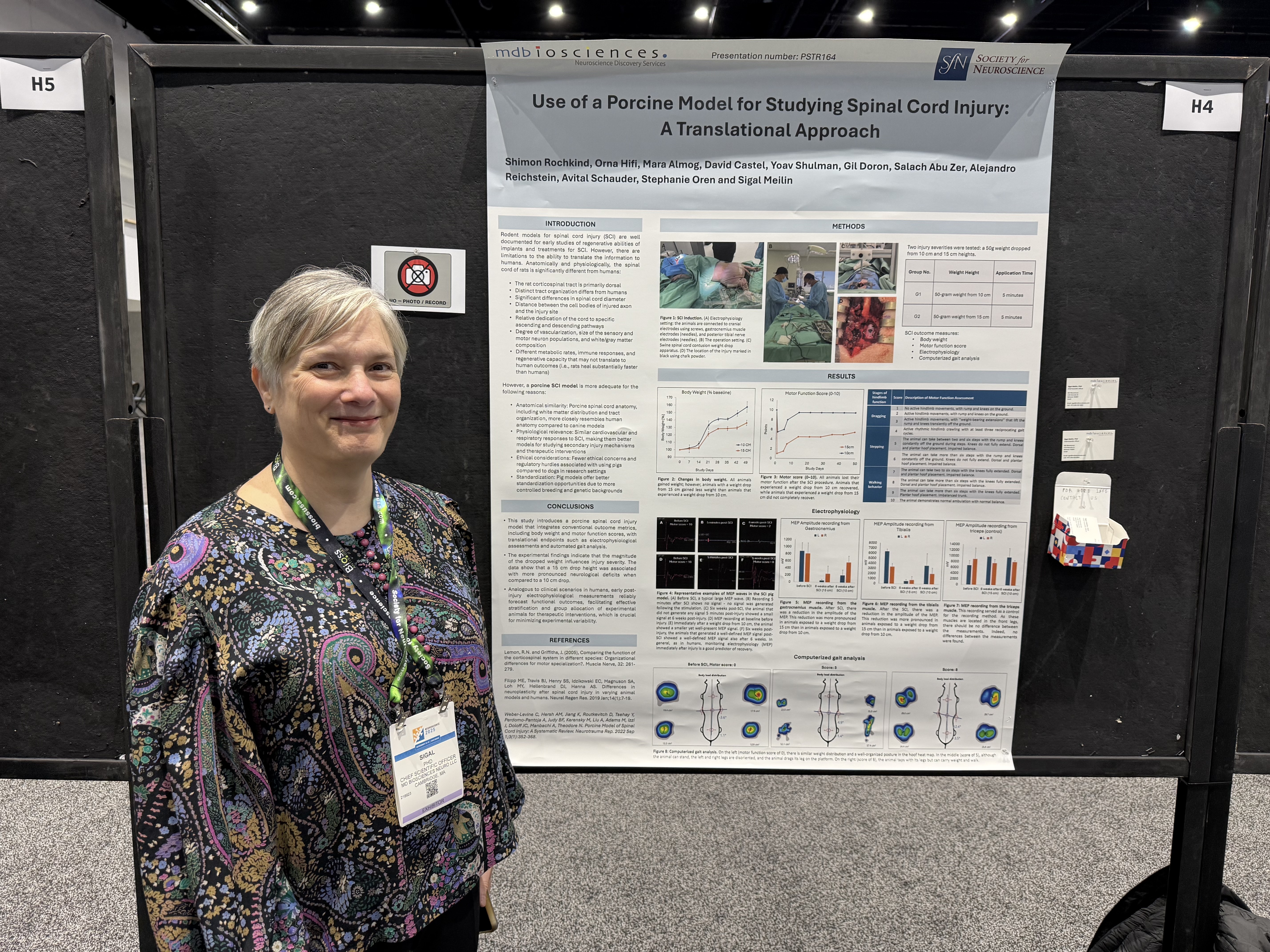
At this year’s Society for Neuroscience (SfN) meeting, our team presented a poster highlighting the advantages of using a porcine model to bridge the...
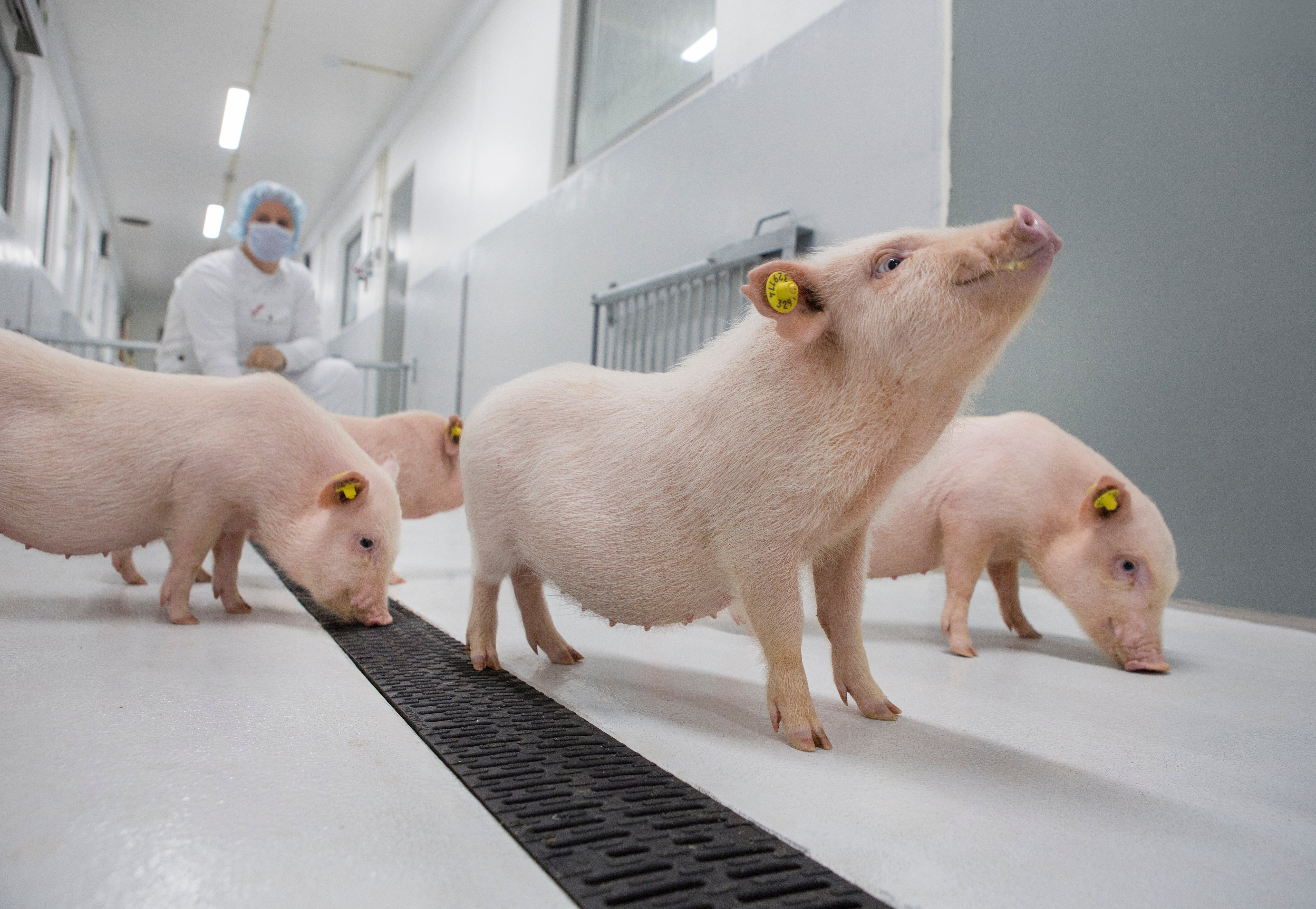
At the forefront of translational large-animal research, our team has developed clinically relevant pig models to study nerve injury and pain....